
From Seed to Market: Building Sustainable Food Systems
From Seed to Market: Building Sustainable Food Systems
 BF_Network
- 24 Feb, 2026
- Comments (0)
Did you know that nearly one in nine people worldwide faces hunger, while industrial farming guzzles 70% of the planet's freshwater and pumps out massive carbon emissions? These facts paint a grim picture of our current food setup. A sustainable food system fixes this by balancing healthy ecosystems, strong economies, and fair treatment for all involved. It ensures we grow, process, and distribute food without wrecking the earth or leaving people behind. In this guide, we'll map out a clear path to build resilient supply chains that boost food security for generations.
Reimagining Production: Ecological Foundations of Sustainable Farming
Shifting how we farm starts with roots in the ground. Traditional methods often strip soil bare and rely on chemicals that harm wildlife. Instead, smart practices restore balance and cut risks from weather shifts.
Prioritizing Soil Health and Regenerative Agriculture
Healthy soil acts like a sponge for water and a bank for nutrients. No-till farming keeps the ground undisturbed, so worms and microbes thrive. Cover crops, like clover or rye, shield soil from erosion and add natural fertilizer when tilled under.
Composting turns farm waste into rich humus that feeds plants without synthetic boosts. This builds soil organic carbon, which traps greenhouse gases. The Rodale Institute found that regenerative methods can store as much carbon as forests do, helping fight climate change. Farmers who switch often see yields hold steady or rise after a few seasons.
You can start small on your plot by testing soil and adding organic matter yearly. These steps make farms tougher against droughts and floods.
Diversification and Agroecology Over Monoculture
Planting the same crop everywhere invites trouble, like pests that wipe out fields fast. Polycultures mix veggies, grains, and trees in one space, mimicking nature's variety. Crop rotation swaps plants season by season to break pest cycles and renew nutrients.
Adding livestock, such as chickens amid orchards, recycles manure as fertilizer. This cuts the need for bought inputs and boosts farm income through multiple products. Diversified setups slash pest risks by 30% or more, per studies from agroecology experts.
Think of it as a team sport—each plant or animal plays a role to keep the whole system strong. Small farms using these ways often weather market dips better than big monocrop operations.
Water Stewardship and Climate-Smart Irrigation
Water shortages hit farms hard as temperatures climb. Drip irrigation delivers water right to roots, wasting less than sprinklers that spray into the air. Rainwater harvesting collects roof runoff in tanks for dry spells.
These tools match water use to crop needs, saving up to 50% compared to old methods. In places like California, where droughts bite, farmers pair sensors with apps to track soil moisture. This smart approach adapts to changing rains brought by global warming.
You don't need fancy gear to begin; mulch around plants holds moisture naturally. Building these habits secures water for sustainable food systems long-term.
Decarbonizing the Supply Chain: From Farm Gate to Processing
Once crops leave the field, the journey gets tricky with fuel-hungry trucks and wasteful steps. Cutting emissions here means rethinking how we move and handle food. Efficient changes reduce pollution and keep costs down.
Reducing Food Loss and Waste (FLW) Across the Chain
About one-third of food produced globally ends up wasted, per FAO reports, enough to feed billions. On farms, better sorting at harvest catches blemished items for animal feed or processing. Cold storage upgrades prevent spoilage during transport.
At packing points, tech like AI cameras spots overripe produce early. This simple fix can trim losses by 20%. Inventory apps help buyers order just what they need, avoiding excess.
Tackle waste by planning meals around what's in season. These efforts lighten the load on land and lower methane from landfills.
Energy Transition in Processing and Transportation
Food plants guzzle energy for drying, canning, and freezing. Solar panels on roofs power these spots without fossil fuels. Wind or biomass from crop scraps offer backups for steady supply.
Trucks and trains burn most transport fuel, but electric vehicles charge with clean energy. Optimized routes via GPS cut idle time and miles driven. One study shows route tweaks alone slash emissions by 15%.
Shift to rail for long hauls where possible—it's greener per ton. These moves decarbonize paths to market and build reliable networks.
Sustainable Packaging Innovations
Plastic wrappers choke oceans and piles up in dumps. Biodegradable options from corn starch or mushroom roots break down harmlessly. Compostable films for fruits let shoppers toss them in yard bins.
Reusable crates beat one-time boxes, saving materials over cycles. Brands like those for berries now use plant-based coatings that extend shelf life. This swap reduces plastic use by half in some supply lines.
Pick products with minimal packaging next shop. Innovations like these protect seas and align with eco-friendly food chains.
Building Equitable and Localized Distribution Networks
Long-distance shipping jacks up costs and carbon footprints. Local loops connect growers directly to eaters, sharing profits fairly. Shorter paths mean fresher food and stronger communities.
Strengthening Regional Food Hubs and Infrastructure
Food hubs act as central spots where small farms pool goods for sale. They link producers to big buyers like schools or stores. In Vermont, the Food Hub Network ties 100+ farms to local hospitals, boosting sales by 40%.
These centers handle washing, packing, and delivery, easing burdens on solo farmers. Investments in coolers and trucks make them run smooth. Hubs cut middlemen, so more money stays local.
Support your area's hub by buying through it. They knit resilient supply chains that weather disruptions.
The Role of Direct-to-Consumer Models (CSAs and Farmers Markets)
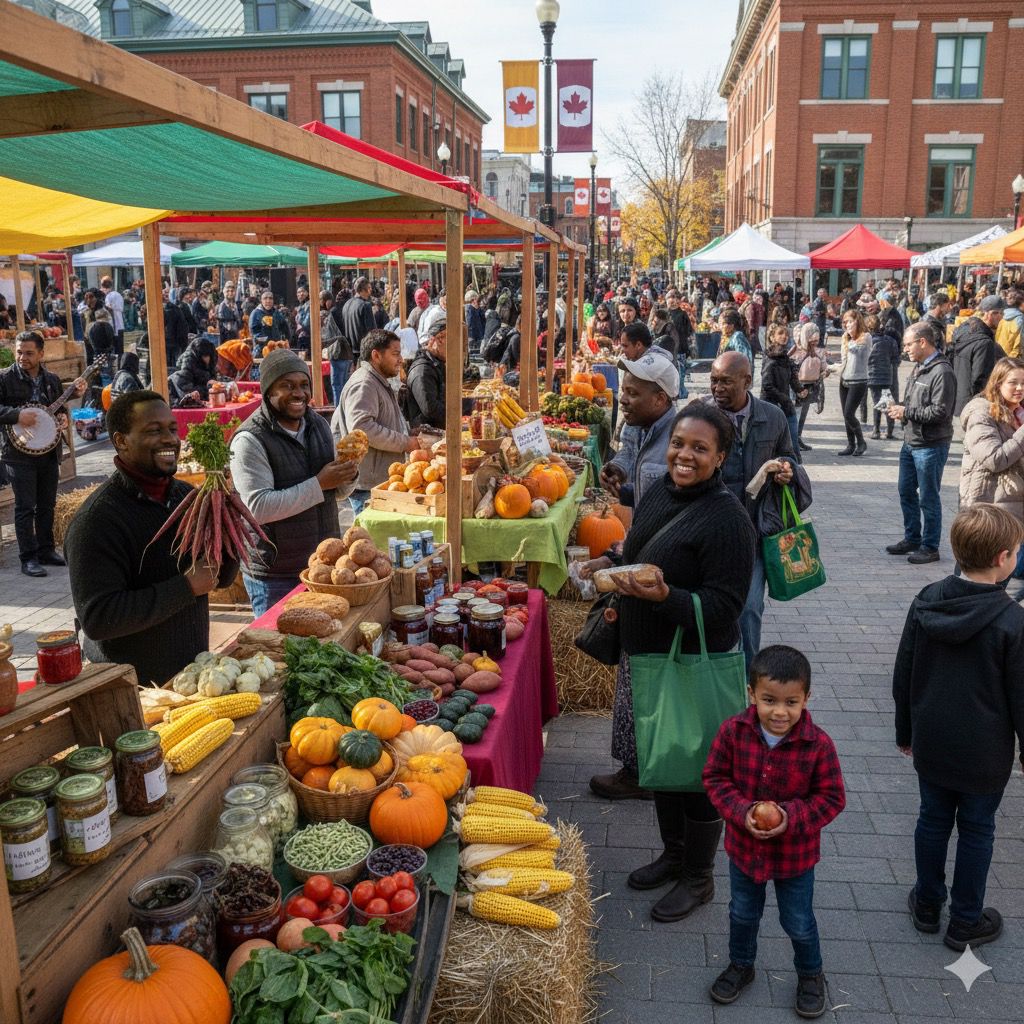
Community Supported Agriculture (CSA) lets you subscribe for weekly boxes of fresh harvest. Farmers get upfront cash to plant, and you get variety without stores. Markets buzz with direct chats, building trust.
These setups lift farmer earnings by skipping brokers—some see 30% more profit. Consumers learn about growing pains and joys. To scale CSAs, use online sign-ups and flexible pickups.
Join a market this weekend; it's a tasty way to back sustainable food systems. Direct ties foster loyalty and cut waste from unwanted buys.
Integrating Technology for Traceability and Transparency
Buyers want proof of clean practices. Blockchain tracks a tomato from seed to shelf, logging every step. Apps scan QR codes for details on water use or fair pay.
This tech fights fakes and builds consumer faith. In Europe, pilots show 80% of shoppers prefer traced goods. Certifications like Fair Trade get easier to verify.
Tech bridges farm and fork, making sustainable choices simple. It empowers you to pick with eyes wide open.
Economic Viability and Policy Frameworks
Farms need steady cash to thrive, not boom-bust cycles. Policies must reward green choices over quick yields. Fair setups lift all boats in the system.
Fair Pricing Mechanisms and Producer Livelihoods
Volatile prices crush small growers. Supply management caps overproduction to keep values stable. Guaranteed floors ensure basics like milk or grains sell above costs.
Fair trade ideas at home mean premiums for eco-farms. In Canada, such boards help dairy folks plan ahead. These tools buffer against global swings.
Push for local co-ops that set group prices. Stability lets farmers invest in soil and people.
Reforming Agricultural Subsidies and Incentives
Most aid props up big crops like corn, ignoring veggies or soil care. Redirect funds to payments for clean rivers or wildlife habitats. This pays for outcomes, not just bushels.
Programs in the EU reward carbon storage in fields. U.S. pilots test similar perks, drawing more into green methods. Shifts could double regenerative land by 2030.
Tell your reps to tweak rules. Smart subsidies spark widespread change.
Investing in Localized Processing Capacity
Few regional spots mean farmers haul far to process meat or grains. New slaughterhouses near farms cut stress on animals and travel. Mills for flour keep jobs close.
Public loans and private cash build these facilities. In Iowa, a co-op plant serves 50 farms, saving 20% on logistics. Decentralized setups shorten chains and boost resilience.
Fund a local project; it strengthens economic roots.
Engaging Consumers and Fostering Food Literacy
You hold power at the checkout. Demand drives supply, so smart choices push sustainability. Education turns shoppers into advocates.
Decoding Sustainability Certifications and Labels
Labels guide buys but confuse with fine print. Organic means no synthetics, verified by strict checks. Non-GMO flags no gene tweaks; Regenerative Organic adds soil focus.
Watch for greenwashing—vague claims without proof. Look for third-party seals from USDA or similar. True marks ensure real impact.
Scan next time; informed picks support solid systems.
Culinary Education and Seasonality Awareness
Knowing how to cook whole foods cuts processed junk. Classes teach roasting roots or stir-fries with in-season greens. This slashes imports that burn fuel.
Seasonal eats taste better and cost less. Apps list what's ripe now in your zone. Build skills to enjoy farm-fresh without waste.
Try a new recipe weekly; it connects you to the land.
Advocating for Institutional Procurement Changes
Schools feed kids daily—make it local. Groups petition for rules buying from nearby farms first. Universities follow, serving sustainable meals to thousands.
Corporate cafeterias join, cutting emissions. Start a petition or join boards to voice needs. One town's school shift sourced 70% local, aiding health and economy.
Speak up; your voice shapes big plates.
Conclusion: Cultivating the Future Food Landscape
These pillars—production, supply chains, distribution, economics, and consumer roles—link tight for true change. Sustainable food systems demand whole redesign, from dirt to dinner table. They promise cooler climates, healthier bodies, and fairer shares.
Key takeaways:
Farmers: Adopt regenerative tricks like cover crops to heal soil and cut costs.
Policymakers: Shift subsidies to eco-rewards and fund local hubs.
Consumers: Scan labels, join CSAs, and push institutions for local buys.
Act now. Together, we grow a brighter food future. What step will you take today?
Add Comment