
Empowering the Next Generation of Black Agricultural Leaders
Empowering the Next Generation of Black Agricultural Leaders
 BF_Network
- 24 Feb, 2026
- Comments (0)
Black farmers helped build America's food system from the ground up. After slavery ended, they owned about 15 million acres of land by 1920, feeding families and communities across the South. Yet today, they make up just 1.4% of U.S. farmers, facing steep drops in land and wealth. This gap hurts everyone—food prices rise, rural areas suffer, and fresh produce stays out of reach for many. We need to empower the next generation of Black agricultural leaders to fix this. It means stronger food security, fairer markets, and a healthier nation. This article looks at barriers holding them back, spotlights programs that build skills, and shares steps to grow their influence. By focusing on these, we can create real change in farming.
Bridging the Historical Divide: Addressing Systemic Barriers to Entry
Black farmers have faced roadblocks for over a century. Laws and loans favored white owners, leading to lost land and broken dreams. These issues still linger, but tackling them head-on opens doors for young Black leaders in agriculture.
Land Access and Generational Wealth Transfer
Black families lost 90% of their farmland between 1910 and 1997, dropping from 14 million acres to under 2 million. Heirs often sell plots due to high taxes or threats from big developers. Without steady land, the next generation struggles to start farms or build lasting wealth. Programs like heir property trusts now help keep land in families. They clarify ownership and block unfair sales. This step protects legacies and fuels growth for Black agricultural leaders.
Securing Capital: Navigating Financial Hurdle
Banks often deny loans to Black farmers at twice the rate of others. USDA aid has improved, but red tape slows things down. Young entrepreneurs need cash for seeds, tools, or greenhouses. Community lenders and grants from groups like the Federation of Southern Cooperatives offer better paths. These funds come with less hassle and more support. By pushing for fair credit rules, we ease the load on emerging Black farm owners.
Legacy Knowledge vs. Modernization Needs
Grandparents taught soil care by feel and weather signs. That wisdom runs deep in Black farming traditions. But drones and apps now spot crop needs from afar. Young leaders must blend old ways with new tools to thrive. Workshops pair elders with tech experts for smooth shifts. This mix keeps culture alive while boosting yields. It's key to sustainable success in today's fields.
Innovative Pathways: Education, Mentorship, and Training Programs
Hope blooms in classrooms and networks designed for Black youth. These efforts teach skills and connect people. They turn barriers into bridges for future Black agricultural leaders.
University Programs and Specialized Curriculum
Land-grant schools like Florida A&M University offer degrees in agribusiness. Their classes cover soil health, marketing, and eco-friendly methods. HBCUs such as Tuskegee train students on small-scale farms right on campus. These programs focus on real-world needs, like growing in tough climates. Grads leave ready to lead co-ops or start their own operations. Enrollment has risen 20% in the last five years, showing demand.
The Power of Mentorship Networks and Peer Support
Mentors guide like a steady hand on the plow. Groups like the Black Farmers Network pair teens with pros who share stories and tips. One example: A young woman from Georgia learned crop rotation from a veteran in Alabama, now running her own berry patch. These ties build confidence and open job doors. Online forums add peer chats for quick advice on pests or prices. Strong networks cut isolation and spark big ideas.
Technical Skills for the 21st-Century Farm
Data tools track rain and nutrients to save water. Young farmers learn these in short courses from apps like FarmLogs. Marketing online sells direct to buyers, skipping middlemen. Logistics classes teach packing and shipping for steady income.
- - Master apps for soil tests—boost yields by 15%.
- - Build social media pages to reach local markets.
- - Study supply chains to cut waste and costs. These skills equip Black leaders to compete and innovate.
Policy Advocacy and Representation in Agricultural Governance
Voices from Black communities must shape farm rules. Without them, policies miss key needs. Empowering young leaders here drives fairer systems.
Influencing USDA Policy and Outreach
The USDA now runs outreach offices in every state for minority farmers. Bills like the Justice for Black Farmers Act aim to settle old loan wrongs. Young advocates push for simpler apps and faster funds. In 2025, they helped expand micro-loans for urban plots. This work ensures Black growers get their share. It builds trust and grows participation.
Building Strong Farmer Coalitions and Cooperatives
Groups like the National Black Farmers Association unite hundreds. They buy tools in bulk and fight for better prices. Young members lead meetings, learning to lobby lawmakers. Co-ops in the Midwest share tractors and storage, saving money.
- Join local chapters for hands-on roles.
- Pool resources for group buys.
- Vote on big decisions together. These teams amplify power and protect small farms.
The Role of Young Black Voices in Sustainability Debates
Climate change hits Black farmers hard with floods and droughts. Next-gen leaders call for tough seeds and water plans. They speak at forums, linking old practices to green tech. One group pushes solar pumps in the South, cutting fuel bills. Their fresh views shape national talks on food equity. This leadership secures a stable future.
Showcasing Success: Profiles of Emerging Black Agricultural Leaders
Real stories inspire action. These young trailblazers prove change is possible. They lead in cities, labs, and fields, reshaping agriculture.
Entrepreneurs Redefining the Food System
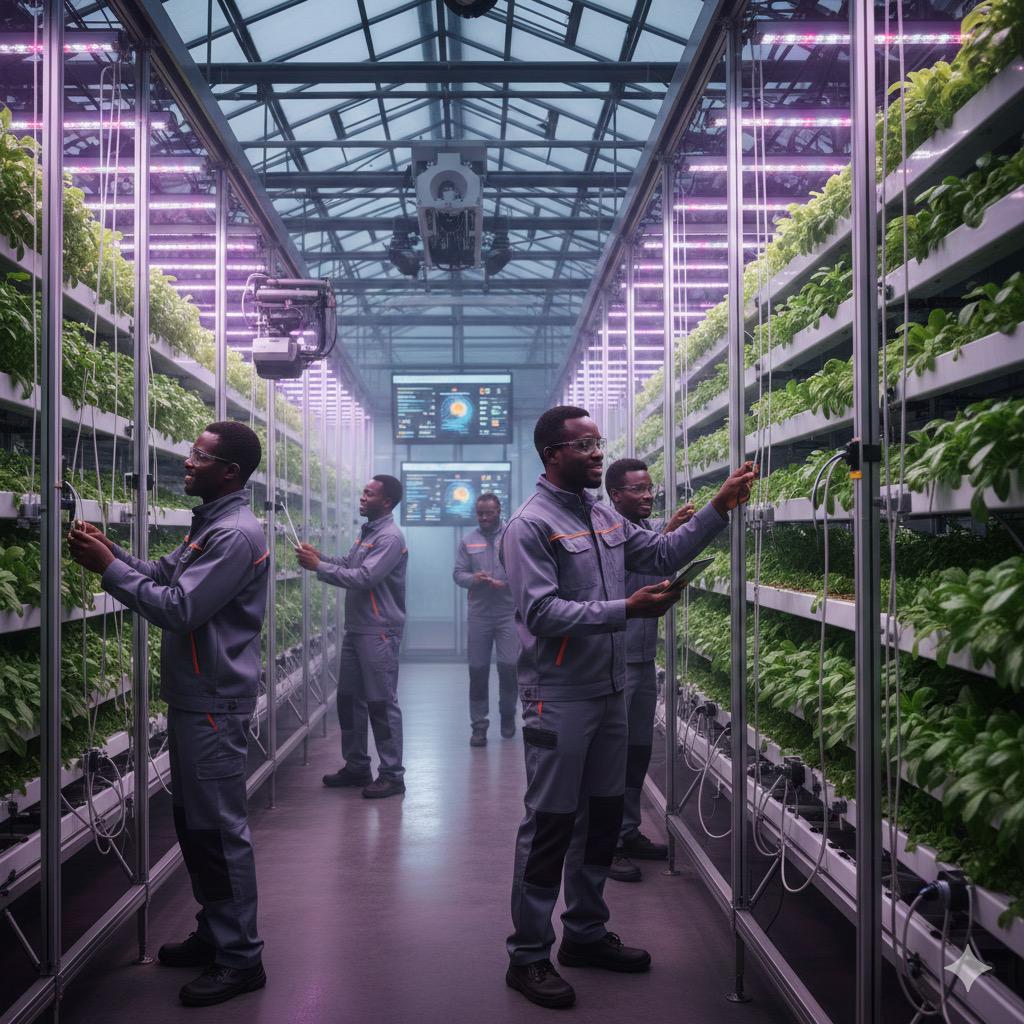
Jada Thompson, 28, started a hydroponic farm in Chicago's South Side. She grows greens year-round, selling to schools and stores. Her business employs 10 locals and trains teens in setup. Profits fund community gardens, fighting food deserts. Jada's model shows how urban farming builds wealth. It draws investors and sparks copycats nationwide.
Leaders in Ag Innovation and Technology Adoption
Marcus Hale, 32, from Texas, built an app for pest alerts using phone cameras. Black cotton growers test it, spotting bugs early to save crops. He partners with universities for free trials. This tool cuts losses by 25% and eases labor. Marcus mentors coders at HBCUs, growing the tech side of Black agriculture. His work proves innovation levels the field.
Actionable Steps: How Stakeholders Can Accelerate Leadership Development
Everyone plays a part in this growth. Clear moves from different groups speed up progress. Let's break it down.
Advice for Aspiring Leaders (The Next Generation)
Start by joining farm clubs or online groups. Spot weak spots like budgeting and take free courses. Hunt grants from the USDA's Beginning Farmer program—up to $50,000 for starters.
- - Network at state fairs; chat with pros.
- - Shadow a local grower for a week.
- - Track progress with a simple journal. These habits build skills fast.
Guidance for Established Industry Leaders and Corporations
Set goals for diverse hires in your teams. Fund HBCU scholarships—$10,000 each goes far. Create internships that pay and lead to jobs.
- - Review boards for balance.
- - Partner with co-ops for supply deals.
- - Share tools like software trials. Big steps like these nurture talent and strengthen markets.
Recommendations for Policymakers and Investors
Back funds for Black land buys, like the 1890 Fund. Simplify USDA forms with mobile apps. Invest in training hubs in rural spots.
- - Pass laws for fair loan checks.
- - Offer tax breaks for mentor programs.
- - Track progress with yearly reports. Targeted help turns ideas into reality.
Conclusion: Sowing the Seeds of Future Prosperity
Empowering the next generation of Black agricultural leaders fixes old wrongs and builds a tough food system. We've seen barriers like lost land and tight cash, but programs, policies, and stories show the way forward. From HBCU classes to co-ops and tech apps, tools exist to grow strong. Stakeholders must act—youth network, leaders invest, officials reform. Together, we plant equity. Soon, these leaders will harvest abundance for all, transforming farms into beacons of hope and plenty. Join the effort; the soil is ready.
Add Comment